
The Best Butternut Squash Baby Food with Thyme Recipe
If you’re searching for a wholesome, comforting, and naturally sweet treat for your little one, look no further than The Best Butternut Squash Baby Food with Thyme. This delightful puree combines the creamy, velvety texture of roasted butternut squash with the subtle earthiness of fresh thyme, creating a medley of flavors that’s gentle on tiny taste buds yet packed with nutrition. It’s a simple recipe that transforms humble ingredients into a luxurious first food experience your baby will adore.
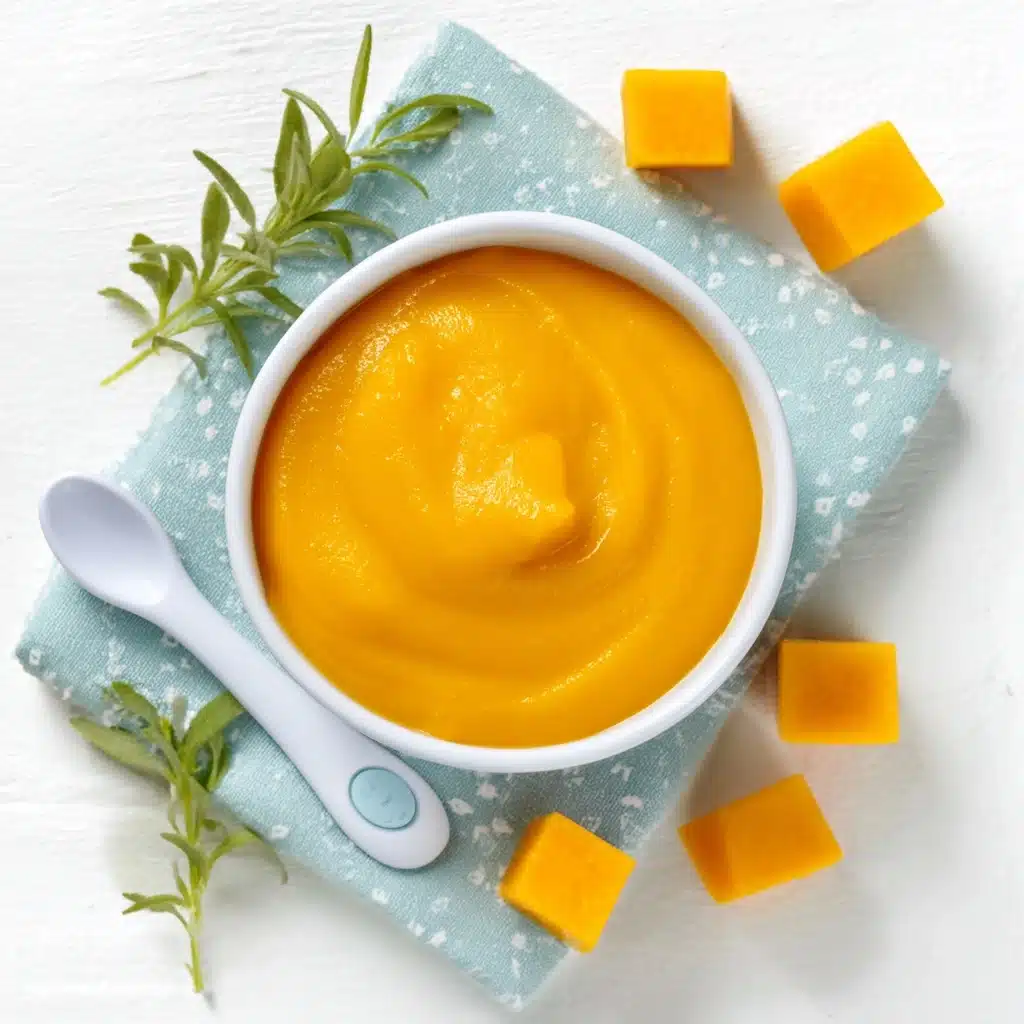
Ingredients You’ll Need
With just a few straightforward ingredients, this recipe is a breeze to prepare, and each component plays a vital role in enhancing flavor, texture, and nutritional value. Let me walk you through the essentials that make The Best Butternut Squash Baby Food with Thyme so irresistible.
- Butternut squash: The star ingredient offers a naturally sweet, creamy texture that’s easy for babies to digest and rich in vitamins A and C.
- Fresh thyme: Adds a subtle herbal aroma that complements the sweetness of the squash without overpowering delicate palates.
- Olive oil (optional): A drizzle brings a silky richness and healthy fats important for brain development, but you can skip it if you prefer.
- Liquid (water, breast milk, formula, stock, or bone broth): This ensures the puree reaches the perfect smooth consistency tailored to your baby’s needs.
How to Make The Best Butternut Squash Baby Food with Thyme
Step 1: Preheat and Prepare Your Oven
Start by heating your oven to a toasty 450 degrees Fahrenheit. Line your baking sheet with a silicone mat, tin foil, or parchment paper to make cleanup easier and prevent sticking. This step sets the stage for roasting the squash to golden, caramelized perfection which is key for that deep flavor.
Step 2: Cut and Season the Butternut Squash
Halve the butternut squash carefully, scoop out the seeds, and arrange the halves flesh side up on your baking sheet. The skin side down keeps everything stable while roasting. If you want to add another layer of flavor, drizzle about two teaspoons of olive oil on the squash – but it’s completely optional!
Step 3: Roast Until Tender
Pop the squash into the oven and let it roast anywhere from 45 to 60 minutes. You’ll know it’s done when a fork pierces the flesh effortlessly and the edges turn a beautiful, slightly caramelized shade. This slow roasting brings out natural sweetness and creates a creamy texture perfect for pureeing.
Step 4: Cool and Scoop Out the Flesh
Once roasted, allow the squash to cool just enough so you can handle it safely. Then, scoop the tender flesh from the skin and transfer it to a blender or food processor. This warm, fragrant squash is the heart of The Best Butternut Squash Baby Food with Thyme.
Step 5: Add Fresh Thyme for Flavor
Sprinkle in a teaspoon of roughly chopped fresh thyme. The thyme adds a gentle herbal note that balances the sweetness while introducing your baby to delicate, natural flavors—an important step towards broadening their palate.
Step 6: Puree to Desired Consistency
Blend the mixture, gradually adding liquid in 1/4 cup increments until the puree reaches the smoothness your baby enjoys. Depending on your preference, this may be between 1/2 and 1 cup total of water, breast milk, formula, or broth. The goal is a creamy, silky texture that’s easy for tiny mouths to manage.
Step 7: Serve or Store for Later
Your delicious puree is now ready to be spooned onto your baby’s tray or frozen for future meals. Either way, you’ve just made The Best Butternut Squash Baby Food with Thyme that’s bursting with flavor and nutrition!
How to Serve The Best Butternut Squash Baby Food with Thyme
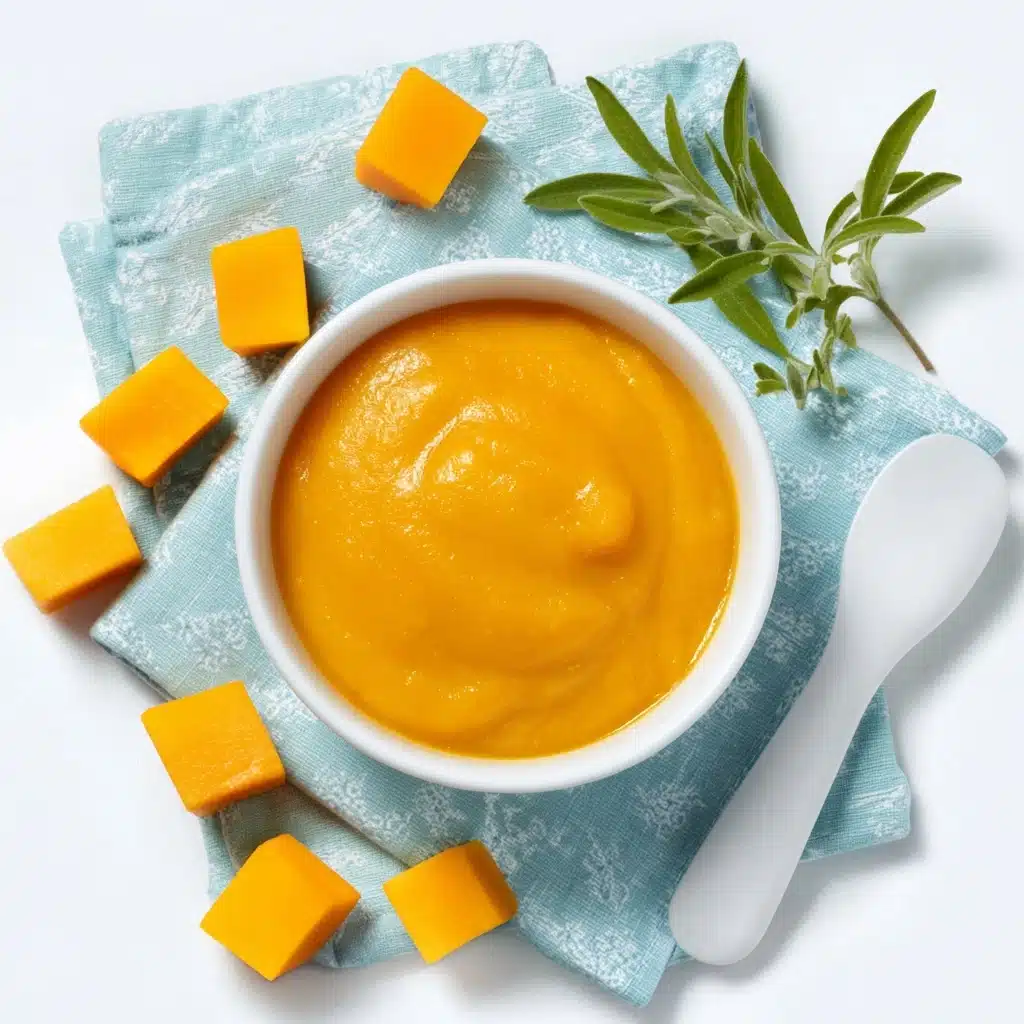
Garnishes
Though simple in its pureed form, a light sprinkle of finely minced fresh thyme on top before serving adds a pop of color and fragrance that can excite your baby’s senses. For older babies, a tiny pinch of mild spices like cinnamon can pair beautifully too.
Side Dishes
This puree is a fantastic standalone meal but pairs wonderfully with soft, mashed avocado or steamed peas to introduce new textures and flavors. It also complements tender rice cereal or small pieces of soft bread dipped into the puree for a wholesome early finger food experience.
Creative Ways to Present
Try freezing the puree in cute silicone molds or ice cube trays for portion-controlled servings. You can also swirl it into other purees like apple or pear for a fun flavor combo or use it as a base to mix in small bits of cooked lentils when baby is older and ready for more texture.
Make Ahead and Storage
Storing Leftovers
Store leftover butternut squash puree in an airtight container in the fridge. It will stay fresh for up to 3 days, making it perfect for quick meal prep and reducing waste. Just give it a quick stir before serving as some settling might occur.
Freezing
Freeze your homemade puree in small batches—using ice cube trays or portion-sized containers works best. Once frozen, transfer cubes to freezer bags; this makes it easy to thaw individual portions as needed. Frozen, it keeps for up to 3 months without losing quality.
Reheating
When ready to serve, thaw the puree overnight in the fridge or gently warm it in a double boiler or microwave. Stir thoroughly and add a splash of liquid if needed to restore that perfect creamy texture before feeding your little one.
FAQs
Can I use dried thyme instead of fresh thyme?
While fresh thyme offers the best flavor and aroma, in a pinch you can use dried thyme. Just use a smaller amount since dried herbs tend to be more concentrated, and consider adding it earlier in the cooking process to allow flavors to develop properly.
Is it okay to add olive oil for babies under one year?
Yes, olive oil is a great source of healthy fats that help brain development. If your pediatrician has given the go-ahead, a small amount added to this puree can boost nutrition and improve texture without affecting taste.
How can I tell when the butternut squash is perfectly roasted?
The squash is ready when its flesh becomes tender enough to pierce easily with a fork and the edges get a light golden color. Roasting caramelizes the natural sugars, enhancing both taste and texture for the puree.
Can I substitute rosemary for thyme?
Absolutely! Rosemary offers a slightly stronger, pine-like flavor that can still pair beautifully with butternut squash. Use fresh rosemary sparingly to avoid overpowering the delicate squash flavor.
What liquids work best for thinning the puree?
You can use water, breast milk, formula, vegetable stock, or mild bone broth. The choice depends on your baby’s age, dietary preferences, and nutritional needs. Using breast milk or formula adds familiarity and nutrition, while stock adds a savory note.
Final Thoughts
Creating The Best Butternut Squash Baby Food with Thyme is such a rewarding way to introduce your baby to wholesome, delicious flavors that lay the groundwork for a lifetime of healthy eating. It’s simple, nourishing, and bursting with natural goodness—give this recipe a try and watch your little one’s face light up with every spoonful.
PrintThe Best Butternut Squash Baby Food with Thyme Recipe

This nourishing butternut squash baby food recipe combines roasted butternut squash with fresh thyme or rosemary, creating a naturally sweet and herb-infused puree perfect for your little one. It’s easy to prepare, versatile, and can be served immediately or frozen for convenience.
- Prep Time: 10 minutes
- Cook Time: 45-60 minutes
- Total Time: 55-70 minutes
- Yield: Approximately 2–3 cups of baby food puree 1x
- Category: Baby Food
- Method: Roasting and Pureeing
- Cuisine: American
- Diet: Gluten Free
Ingredients
Produce
- 1 butternut squash
- 1 tsp fresh thyme or rosemary, roughly chopped
Optional
- 1–2 tsp olive oil
- 1/2–1 cup liquid (water, fresh breast milk, formula, stock, or bone broth)
Instructions
- Preheat Oven: Heat the oven to 450°F (230°C). Line a baking sheet with a silicone mat, tin foil, or parchment paper to prevent sticking and ease cleanup.
- Prepare Squash: Cut the butternut squash in half lengthwise and scoop out the seeds. Place the halves flesh side up and skin side down on the prepared baking sheet. Optionally, drizzle with 2 teaspoons of olive oil to enhance roasting and flavor.
- Roast Squash: Bake in the preheated oven for 45-60 minutes, or until the flesh is tender and easily pierced with a fork.
- Cool and Peel: Allow the roasted squash to cool enough to handle safely. Then scrape the soft flesh away from the skin and transfer it to a blender or food processor.
- Add Herbs: Add 1 teaspoon of fresh chopped thyme or rosemary to the squash in the blender for a gentle herbal flavor perfect for babies.
- Puree: Blend the squash and herbs until smooth, gradually adding your choice of liquid (water, breast milk, formula, stock, or bone broth) in 1/4 cup increments until reaching the desired consistency. Approximately 3/4 cup liquid is typical.
- Serve or Store: Serve the puree fresh as a nutritious meal for your baby or freeze portions for later use, ensuring convenient, wholesome feeding anytime.
Notes
- Olive oil is optional and can be omitted for very young babies or those with dietary restrictions.
- You can substitute thyme with rosemary or other mild herbs that suit your baby’s palate.
- Adjust the liquid added to achieve the consistency appropriate for your baby’s age and feeding stage.
- Always check the temperature before feeding to avoid burns.
- Freeze leftover puree in ice cube trays for easy portioning and thawing.
- Consult your pediatrician before introducing herbs or new foods to your baby’s diet.
Nutrition
- Serving Size: 1/4 cup (60g)
- Calories: 30
- Sugar: 2.5g
- Sodium: 20mg
- Fat: 1g
- Saturated Fat: 0.1g
- Unsaturated Fat: 0.8g
- Trans Fat: 0g
- Carbohydrates: 6g
- Fiber: 1g
- Protein: 0.5g
- Cholesterol: 0mg
Keywords: butternut squash baby food, baby puree, roasted squash puree, healthy baby food, thyme baby food, homemade baby food