A Guide to Quick Pickles Recipe
There’s something truly magical about the tangy crunch of pickles that you can whip up in no time at home. This A Guide to Quick Pickles unlocks the secrets to creating vibrant, flavorful pickles from fresh vegetables using a simple brine that transforms ordinary produce into a zesty, crisp delight. Whether you’re craving a bright bite for sandwiches or a lively snack straight from the jar, these quick pickles provide the perfect balance of tart, sweet, and herbal notes that awaken your senses.
Ingredients You’ll Need
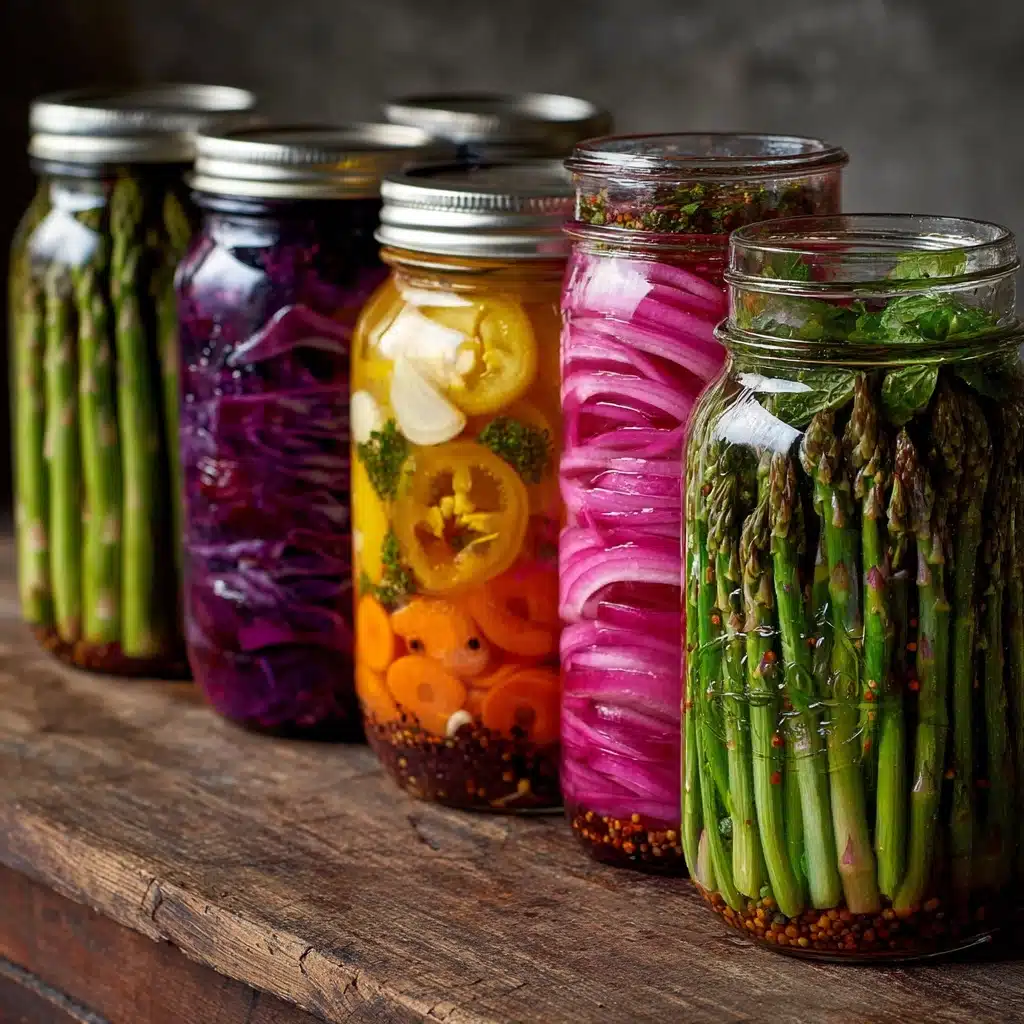
This recipe keeps things wonderfully straightforward, relying on fresh, high-quality ingredients and a versatile brine that brings everything together beautifully. Each component plays a vital role in flavor, texture, or aroma — from the sharpness of white vinegar to the herbal complexity of fresh rosemary and thyme.
- 1 cup water: The clean base for your brine, softening the acidity for balanced pickles.
- 1 cup white vinegar: Adds that essential tanginess, preserving and brightening the veggies.
- 2 tsp salt: Enhances flavor and helps create the perfect crisp texture.
- 1 tsp sugar: Balances acidity with a subtle sweetness, rounding out the flavor.
- Optional Vinegar Substitute: Half rice vinegar and half apple cider vinegar for nuanced complexity.
- 1 large bunch radishes, sliced thinly: Provide a peppery crunch with beautiful color.
- 1 inch fresh ginger, peeled and sliced: Adds a warming, spicy brightness.
- 1 tsp ground turmeric: Imparts subtle earthiness and a sunny hue.
- 4 sweet mini peppers, sliced into rounds: Bring sweetness and vibrant reds and yellows.
- 2 cloves garlic, crushed: Deepens savory flavors with aromatic punch.
- 4 sprigs fresh rosemary: Adds piney herbaceousness that lingers on the palate.
- 4 sprigs fresh thyme: Offers gentle herb notes that complement crispness.
- 1 large shallot or red onion: Adds a mild, sweet bite and beautiful color contrast.
- 5-6 sprigs fresh thyme: Layered in for freshness and subtle complexity.
- 1 tbsp black peppercorns: Deliver bursts of aromatic heat throughout the brine.
- 1 large bunch asparagus, ends trimmed: Brings tender snap and unique flavor.
- 1/4 cup fresh dill: Elevates the pickles with classic fresh herb brightness.
- 3 small beets, quartered: Provide sweet earthiness and stunning jewel tones.
- 2 cloves garlic, sliced thinly: Add subtle garlic sweetness and texture.
- 4 sprigs rosemary: Infuse woodsy notes for a multi-layered herbal hit.
- 2 cloves garlic, thinly sliced: More garlic for depth and aromatic interest.
- 2 scallion whites, chopped into 1-inch pieces: Lend mild onion flavor and crunch.
- 2 jalapeños, thinly sliced into rounds: Bring a touch of heat and piquancy.
How to Make A Guide to Quick Pickles
Step 1: Prepare Your Ingredients
Start by prepping all your vegetables and herbs carefully. Slice the radishes, peppers, shallots, garlic, and jalapeños thinly so they absorb the brine quickly and evenly. Trim the asparagus ends and quarter the beets, while peeling and slicing fresh ginger. Having everything ready ensures a smooth assembly and even pickling.
Step 2: Fill Your Glass Jar
Choose a clean, sterilized glass jar for the best results—this keeps your pickles fresh and allows you to watch those beautiful layers come together. Pack your sliced vegetables, herbs, and spices snugly inside, layering thoughtfully to maintain color appeal and texture diversity when serving.
Step 3: Make the Brine
In a saucepan, combine the water, white vinegar, salt, and sugar over medium-high heat. Stir gently as the mixture heats up, bringing it just to a simmer until the sugar and salt dissolve completely. This warm brine is what’ll infuse all those fresh ingredients with delightful tang and depth.
Step 4: Pour and Seal
Carefully pour the hot brine over the packed vegetables in your jar, ensuring everything is fully submerged to prevent spoilage. Seal the jar tightly and give it a gentle shake to mix flavors. Let the jar cool to room temperature before refrigerating, allowing the pickling magic to begin.
A Guide to Quick Pickles: Final Touches
Once sealed and cooled, place your jar in the refrigerator for at least 24 hours—though the flavors deepen beautifully over the next few days. This quick method means you can enjoy crisp, flavorful pickles in less than a day, perfect for sprucing up meals spontaneously.
How to Serve A Guide to Quick Pickles
Garnishes
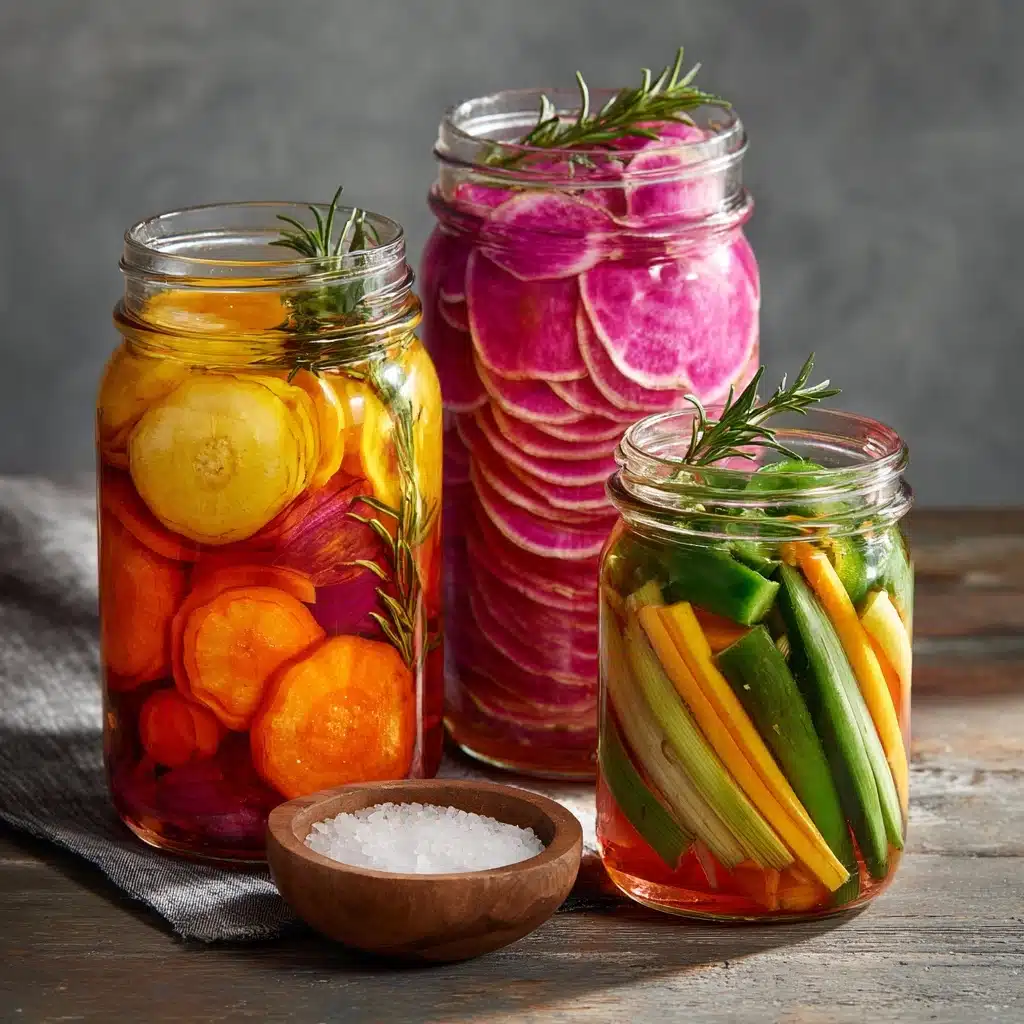
These quick pickles make an exciting garnish for sandwiches, burgers, or taco bowls. The vivid colors and bright flavors bring a fresh crunch that contrasts beautifully with richer dishes, adding zing and texture that truly elevate your meal’s presentation and taste.
Side Dishes
Serve your pickles alongside hearty mains like grilled meats or roasted vegetables to cut through richness and cleanse the palate with their sharp bite and herbal complexity. They also brighten up cheese boards and charcuterie platters with freshness and flair.
Creative Ways to Present
For a stunning appetizer, layer your pickles in a glass serving dish with fresh herbs scattered on top. Or, toss them into vibrant salads or grain bowls just before serving to add a tangy pop of flavor and crunch that livens every bite. You can even blend some quick pickles into dips or sauces for a surprising twist!
Make Ahead and Storage
Storing Leftovers
Quick pickles thrive in the fridge, where they keep their crispness and vibrant flavors for up to 3 weeks. Store them in their original sealed glass jar for best preservation, and make sure to always use a clean utensil to avoid contamination.
Freezing
Because pickles rely on their crisp texture, freezing is not recommended—it can ruin their crunch and cause the vegetables to become mushy once thawed. It’s best to enjoy your quick pickles fresh from the fridge within a few weeks.
Reheating
There’s really no need to reheat quick pickles; they’re meant to be enjoyed cold or at room temperature to maintain their refreshing crunch and bright acidity. Simply serve straight from the fridge or leave them out for a few minutes before eating.
FAQs
How long do quick pickles need to marinate?
For the best flavor in quick pickles, let them marinate in the refrigerator for at least 24 hours, though 2 to 3 days results in a crisper, more concentrated taste.
Can I use different vegetables for these quick pickles?
Absolutely! This guide is super flexible—cucumbers, carrots, green beans, or cauliflower all work beautifully as quick-pickling candidates.
What is the difference between quick pickles and traditional pickles?
Quick pickles use a hot vinegar brine and refrigerate immediately, allowing you to enjoy them within days. Traditional pickles often ferment over weeks or months, developing complex sourness through natural bacteria.
Do I need to sterilize jars for quick pickles?
While sterilizing jars is always a good practice for food safety, quick pickles stored in the fridge don’t require the same level of sterilization as canned pickles since they are consumed relatively quickly.
Can I adjust the spice level in these pickles?
Definitely! To make spicier pickles, add more jalapeños or crushed red pepper flakes; for mild pickles, reduce or omit the spicy ingredients.
Final Thoughts
I hope this A Guide to Quick Pickles inspires you to bring a burst of fresh, tangy delight to your kitchen with ease and confidence. These pickles are not only quick to make but wonderfully versatile, allowing you to experiment and create something truly your own. Give this recipe a try—you’ll wonder how you ever lived without that crisp, zesty punch in your meals!
PrintA Guide to Quick Pickles Recipe
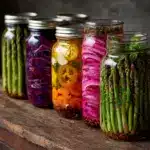
This guide to quick pickles offers a versatile and flavorful method to transform fresh vegetables into tangy, crisp pickles in just a few hours. Using a simple brine made from vinegar, salt, and sugar, enhanced with herbs and spices, you can create a variety of pickled vegetables such as radishes, asparagus, beets, mini peppers, and more. These quick pickles are perfect for adding a zesty crunch to salads, sandwiches, or as a snack, and require no lengthy fermentation. Ready in as little as one hour, they are an easy way to enjoy homemade pickles without the wait.
- Prep Time: 15 minutes
- Cook Time: 5 minutes
- Total Time: 1 hour 20 minutes
- Yield: 4–6 servings (depending on jar size and vegetables used) 1x
- Category: Condiment
- Method: Quick Pickling
- Cuisine: Global
- Diet: Vegetarian
Ingredients
Brine
- 1 cup water
- 1 cup white vinegar (or substitute half rice vinegar and half apple cider vinegar)
- 2 tsp salt
- 1 tsp sugar
Vegetables & Flavorings
- 1 large bunch radishes, sliced thinly
- 1 inch piece fresh ginger, peeled and sliced into thin planks
- 1 tsp ground turmeric
- 4 sweet mini peppers, sliced into rounds
- 2 cloves garlic, crushed
- 4 sprigs fresh rosemary
- 4 sprigs fresh thyme
- 1 large shallot or red onion, sliced
- 5–6 sprigs fresh thyme
- 1 tbsp black peppercorns
- 1 large bunch asparagus, ends trimmed
- 1/4 cup fresh dill
- 3 small beets, quartered
- 2 cloves garlic, sliced thinly
- 4 sprigs rosemary
- 2 cloves garlic, thinly sliced
- 2 scallion whites, chopped into 1 inch pieces
- 2 jalapeños, thinly sliced into rounds
Instructions
- Prepare Ingredients: Thoroughly wash and slice all vegetables and herbs as directed. Place them evenly into clean glass jars, layering different combinations such as radishes with ginger and turmeric, or asparagus with dill, according to your preference.
- Make the Brine: In a medium saucepan over medium-high heat, combine the water, vinegar, salt, and sugar. Stir occasionally until the mixture comes to a simmer and the sugar and salt are completely dissolved.
- Pour the Brine: Remove the saucepan from the heat and carefully pour the hot brine over the prepared vegetables in the glass jars. Ensure that all produce is fully submerged to prevent spoilage.
- Seal and Refrigerate: Seal the jars tightly with lids and place them in the refrigerator. Allow the vegetables to pickle for at least one hour before consuming for the best flavor and crunch. Quick pickles can be stored refrigerated for up to two weeks.
Notes
- Adjust the vinegar type to control the acidity and flavor profile of your pickles.
- Use fresh, organic vegetables whenever possible for the best taste and texture.
- Experiment with different herbs and spices to customize your pickles.
- Ensure all jars and utensils are clean to avoid contamination.
- Quick pickles do not require canning or long fermentation, so always keep refrigerated.
Nutrition
- Serving Size: 1/4 cup (about 30g)
- Calories: 15
- Sugar: 1g
- Sodium: 350mg
- Fat: 0g
- Saturated Fat: 0g
- Unsaturated Fat: 0g
- Trans Fat: 0g
- Carbohydrates: 3g
- Fiber: 1g
- Protein: 0.3g
- Cholesterol: 0mg
Keywords: quick pickles, pickled vegetables, radish pickles, asparagus pickles, homemade pickles, easy pickling, refrigerator pickles