Crusty, Chewy, and Delicious: The Best Sourdough Pizza Recipe
Introduction
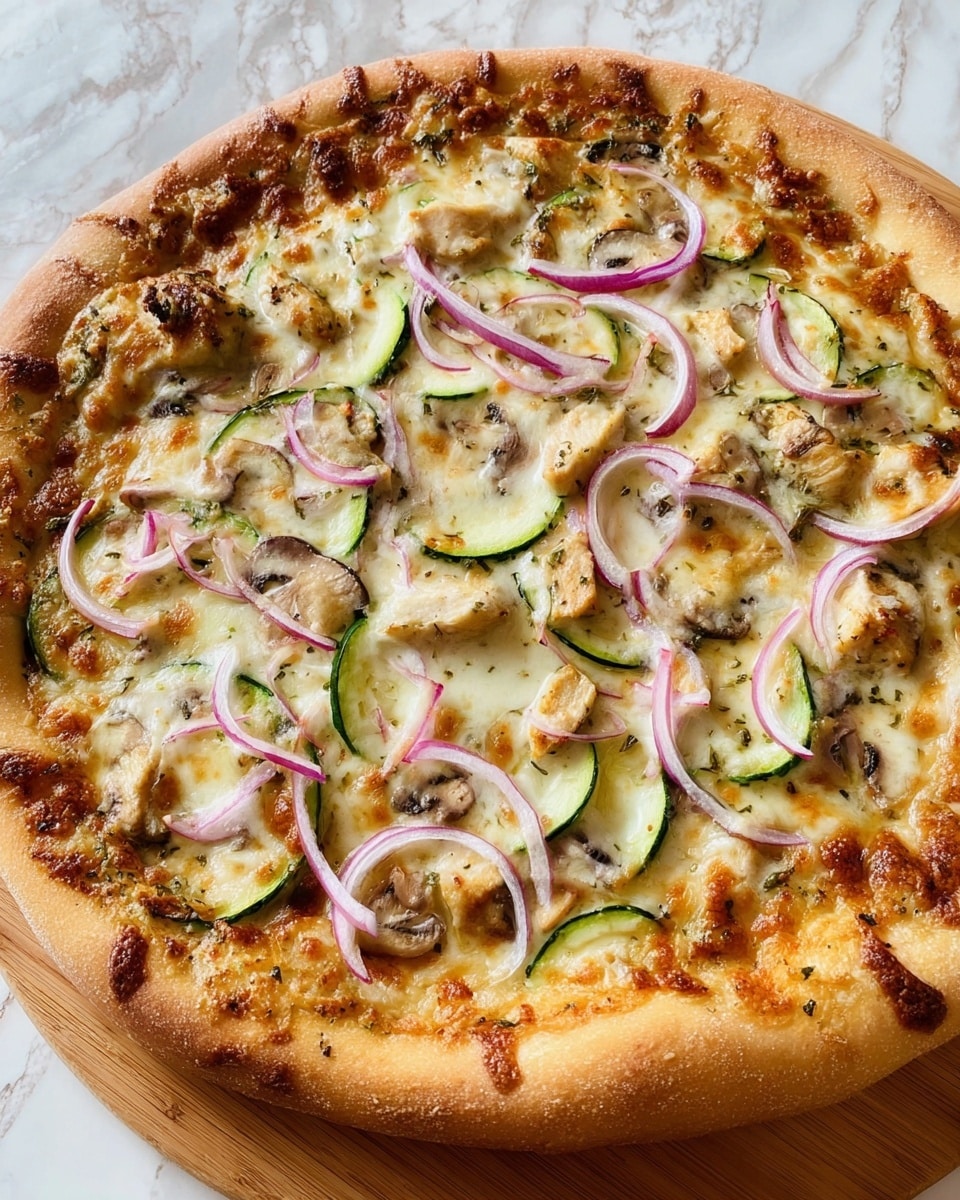
This sourdough pizza recipe delivers a crust that’s both crusty and chewy, boasting delicious homemade flavor. Using an active sourdough starter, you’ll create a dough with wonderful texture and a subtle tang. Whether you keep toppings classic or get creative, this pizza will impress every time.
Ingredients
- 1 cup (240g) active sourdough starter
- 3/4 cup (180ml) warm water
- 2 1/2 cups (300g) all-purpose or pizza flour
- 2 tsp olive oil
- 1 1/2 tsp salt
- 1/2 tsp honey (optional, helps with browning)
- Rao’s Pizza Sauce
- Pesto & Alfredo Sauce (mixed together for a yummy pizza sauce)
- 2 cups mozzarella cheese
- Pizza toppings of your choice (pepperoni, chicken, red onion, basil, parmesan)
Instructions
- Step 1: Make sure your sourdough starter is active and bubbly. If it’s been refrigerated, feed it 4-6 hours before using, or overnight if possible.
- Step 2: In a large bowl, combine the sourdough starter, warm water, olive oil, salt, and honey. Stir until mostly combined.
- Step 3: Gradually add the flour a little at a time, until the dough begins to come together. Use your hands to finish mixing if needed.
- Step 4: Turn the dough onto a clean surface and knead for 8-10 minutes until smooth and elastic. Add a little flour if the dough is too sticky, but avoid adding too much.
- Step 5: Place the dough in a lightly oiled bowl, cover with a damp towel or plastic wrap, and let it rise for 4-6 hours at room temperature. For more flavor, refrigerate it for 24-48 hours and bring to room temperature 1-2 hours before baking.
- Step 6: Preheat your oven to 500°F (or as high as it goes). If using a pizza stone or steel, place it in the oven during preheating for at least 30 minutes to ensure it’s thoroughly hot.
- Step 7: After the dough doubles in size, gently punch it down to release air bubbles. Turn it onto a floured surface and divide into two portions for smaller pizzas or leave whole for one large pizza. Shape the dough by hand tossing or stretching it, then place on parchment paper.
- Step 8: Optionally brush the dough with olive oil, spread a thin layer of pizza sauce, then add mozzarella and your chosen toppings. Avoid overloading to prevent sogginess.
- Step 9: Transfer the pizza onto the preheated stone using a peel or place on a baking pan. Bake for 12-14 minutes, checking at 12 minutes. The crust should be golden and the cheese bubbling and lightly browned.
- Step 10: Remove from oven and garnish with fresh basil, a drizzle of olive oil, or a sprinkle of Parmesan cheese before serving.
Tips & Variations
- If you don’t have a pizza stone, a heavy baking sheet also works well for baking.
- Try mixing pesto and Alfredo sauce for a flavorful twist on traditional tomato sauce.
- Letting the dough ferment longer in the fridge develops a deeper flavor and better texture.
- Use bread flour instead of all-purpose for a chewier crust.
Storage
Store leftover pizza in an airtight container in the refrigerator for up to 3 days. Reheat by placing slices in a hot skillet for a few minutes or in a 375°F oven until warmed through and the crust is crisp again.
How to Serve
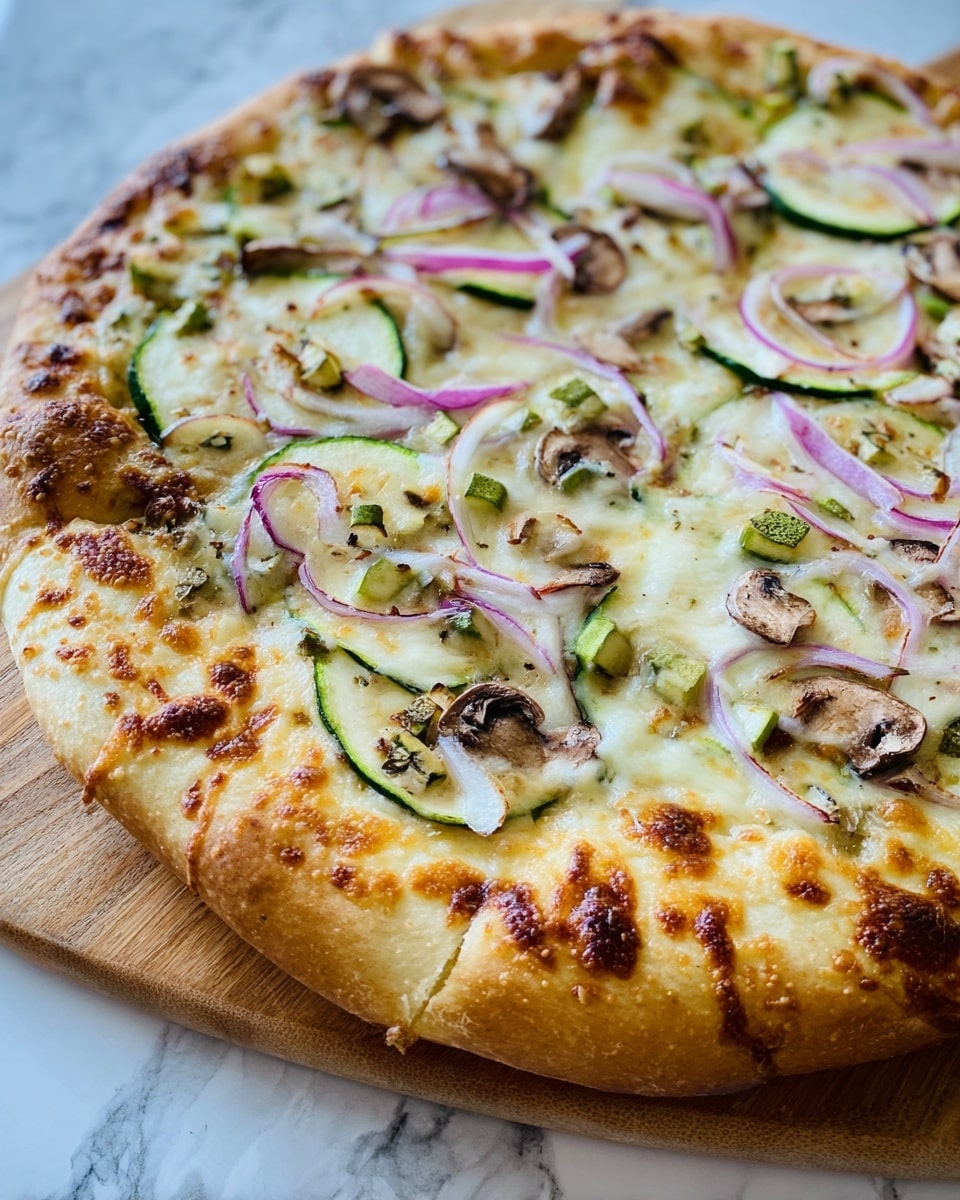
Serve this delicious recipe with your favorite sides.
FAQs
Can I use inactive sourdough starter for this recipe?
For best results, use an active, bubbly starter. Inactive starter won’t provide enough fermentation, resulting in a dense crust.
How do I know when the dough has risen enough?
The dough should roughly double in size and look puffy. Gently pressing a finger into it should leave an indentation that slowly fills back in.
PrintCrusty, Chewy, and Delicious: The Best Sourdough Pizza Recipe

This recipe guides you through making the best sourdough pizza with a crust that’s both crusty and chewy. Using an active sourdough starter, the dough is slowly fermented for enhanced flavor and texture. Finished with your choice of classic pizza sauces, mozzarella cheese, and toppings like pepperoni, chicken, and fresh basil, this pizza is baked at a high temperature to achieve a perfectly crisp base and bubbly cheese topping.
- Prep Time: 15 minutes (plus 4-6 hours fermentation or up to 48 hours refrigerated fermentation)
- Cook Time: 12-14 minutes
- Total Time: Approximately 5 hours to 2 days depending on fermentation method
- Yield: 1 large pizza or 2 smaller pizzas 1x
- Category: Main Course
- Method: Baking
- Cuisine: Italian
Ingredients
Dough
- 1 cup (240g) active sourdough starter
- 3/4 cup (180ml) warm water
- 2 1/2 cups (300g) all-purpose or pizza flour
- 2 tsp olive oil
- 1 1/2 tsp salt
- 1/2 tsp honey (optional, helps with browning)
Pizza Sauce
- Rao’s Pizza Sauce
- Pesto & Alfredo Sauce (mix together for a yummy pizza sauce)
Toppings
- 2 cups mozzarella cheese
- Pizza toppings such as pepperoni, chicken, red onion, basil, parmesan
Instructions
- Activate the Starter: Ensure your sourdough starter is active and bubbly. If it’s been refrigerated, feed it 4-6 hours before use, or overnight if possible, to revive its activity.
- Mix the Dough: In a large bowl, combine the sourdough starter, warm water, olive oil, salt, and honey. Stir until mostly combined.
- Add the Flour: Gradually add the flour a little at a time, mixing until the dough begins to form. Use your hands to assist as necessary.
- Knead the Dough: Turn dough onto a clean surface and knead for 8-10 minutes until smooth and elastic. Add small amounts of flour if sticky, but avoid over-flouring.
- Bulk Fermentation: Place dough in a lightly oiled bowl, cover with a damp towel or plastic wrap, and let rise for 4-6 hours at room temperature. Optionally refrigerate for 24-48 hours for enhanced flavor; remove 1-2 hours before baking to reach room temperature.
- Preheat the Oven: Preheat oven to 500°F (260°C) or as high as possible. Place pizza stone or steel inside while preheating for at least 30 minutes to ensure it is thoroughly heated.
- Shape the Dough: Once dough has doubled in size, gently punch down to release air. On a floured surface, divide into two for smaller pizzas or keep whole. Hand stretch or toss dough to desired size with a thin base and thicker edge, then place on parchment paper.
- Assemble the Pizza: Optionally brush dough with olive oil for browning. Spread a thin layer of pizza sauce, sprinkle with mozzarella cheese, and add desired toppings without overloading to prevent sogginess.
- Bake the Pizza: Transfer pizza using a peel or slide directly onto the hot pizza stone or baking pan. Bake for 12-14 minutes, checking after 12 minutes. Crust should be golden and cheese bubbling and browned.
- Finishing Touches: Remove pizza from oven and garnish with fresh basil, a drizzle of olive oil, or sprinkle of Parmesan cheese as desired. Serve hot.
Notes
- Feeding the sourdough starter ahead of time ensures proper fermentation and rise.
- Refrigerating the dough for 24-48 hours improves flavor and texture but requires advance planning.
- Use a pizza stone or steel for best crust crispness; preheat thoroughly.
- Do not overload pizza toppings to avoid soggy dough.
- Let refrigerated dough come to room temperature before baking for even cooking.
- Adjust flour quantity slightly based on humidity and dough stickiness.
Keywords: sourdough pizza, homemade pizza dough, pizza recipe, Italian pizza, crispy crust pizza, fermented dough pizza